Pelvic Floor Physiotherapy
Pelvic Floor Physiotherapy in Ottawa and Kanata
Pelvic floor concerns are common and often treatable, yet many people live with symptoms longer than they need to. At Rooted Family, our pelvic floor physiotherapists provide compassionate, evidence-based care to support pelvic health, movement, and overall quality of life.
We offer pelvic floor physiotherapy services in our Kanata clinic for individuals in Ottawa, Kanata, and surrounding areas. Care is provided in a respectful, inclusive, and confidential environment.
Who We Support
We provide pelvic floor physiotherapy services for people who identify as women, trans, and non-binary.
We also offer Pediatric Pelvic Floor Physiotherapy for ages 4–17 experiencing bladder and bowel concerns. Learn more about pediatric pelvic floor physiotherapy here.
What Is Pelvic Floor Physiotherapy?
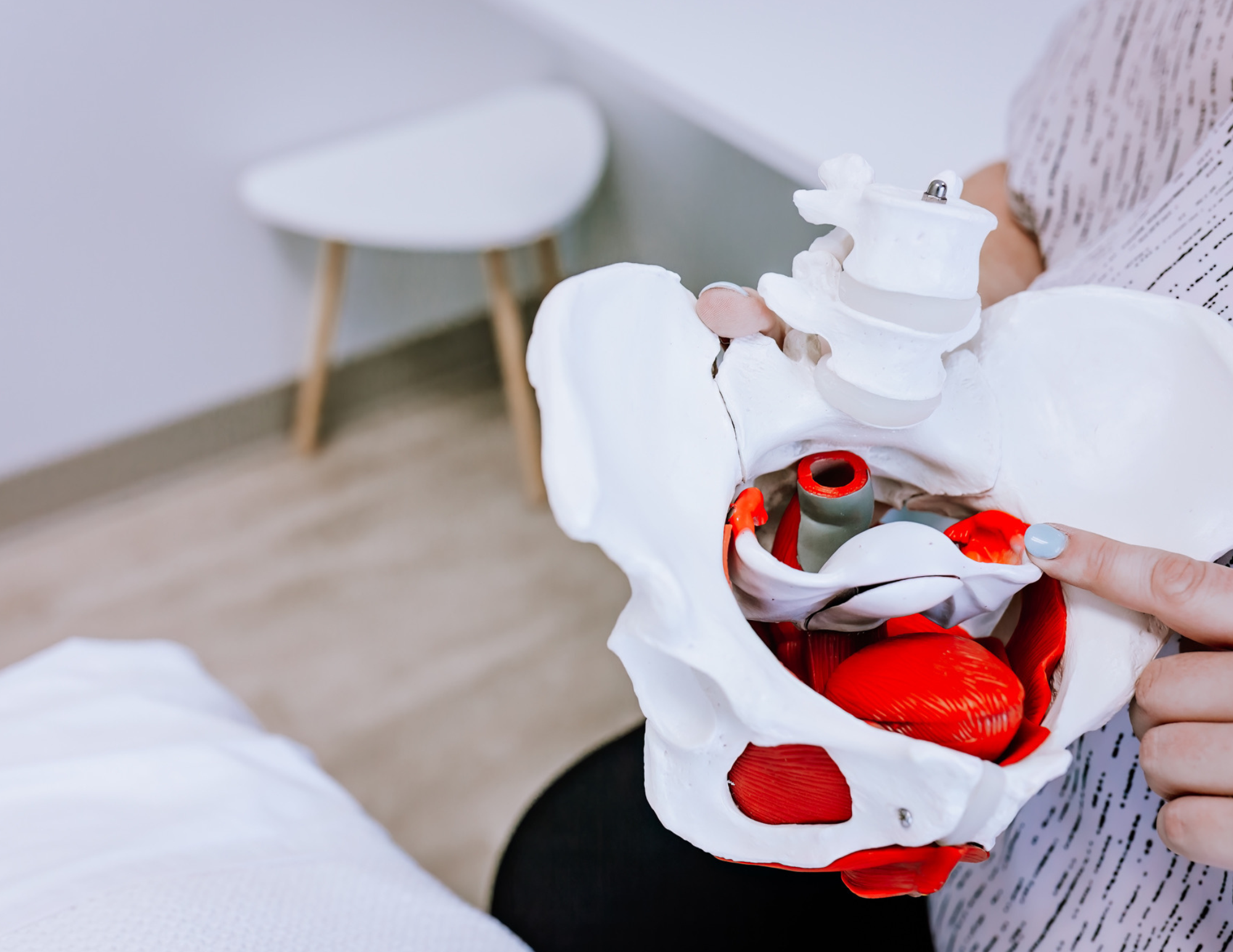
Pelvic floor physiotherapy is a specialized area of physiotherapy that focuses on the muscles, joints, and connective tissues of the pelvis and core. The pelvic floor muscles form a supportive base for the bladder, bowel, and reproductive organs and play an important role in posture, movement, bladder and bowel function, sexual health, and childbirth.
Pelvic floor physiotherapy can help restore strength, coordination, and function, or reduce tension and pain, depending on your individual needs.
What Do Pelvic Floor Physiotherapists Treat?
Our pelvic floor physiotherapists in Kanata work with a wide range of pelvic health concerns, including:
- Urinary incontinence and bladder leakage
- Overactive bladder and urinary urgency
- Pelvic pain, including pain with intercourse or menstruation
- Pelvic organ prolapse or feelings of heaviness or pressure
- Gastrointestinal concerns such as constipation or fecal incontinence
- Pregnancy-related pelvic girdle pain
- Postpartum pelvic floor rehabilitation
- Diastasis recti
- Endometriosis and interstitial cystitis
- Tailbone pain (coccydynia)
- Low back, hip, or pelvic musculoskeletal pain
- Sciatica
Treatment plans are always individualized and guided by your goals. Pelvic floor concerns often overlap with other areas of the body. Many clients benefit from a collaborative care approach that may include chiropractic care, physiotherpay- osteopathy, or naturopathy, depending on their needs.
What to Expect From a Pelvic Floor Physiotherapy Session
Before your first appointment, you will be asked to complete an online intake form to help your physiotherapist understand your concerns and health history.
During your initial visit, your therapist will review this information with you and discuss your symptoms, goals, and any questions you may have. We recognize that pelvic health concerns can feel sensitive or difficult to talk about, and we prioritize consent, comfort, and confidentiality at every step.
Your physical assessment may include evaluation of the low back, hips, abdomen, and pelvis. If appropriate and with your informed consent, this may include an internal pelvic floor muscle assessment. Internal examinations are never required, and alternatives are always discussed.
Following the assessment, your physiotherapist will review findings with you and develop a personalized treatment plan.
From a Postpartum Client:
“I appreciated how supported and comfortable I felt throughout my pelvic floor physiotherapy sessions at Rooted Family Wellness Centre in Ottawa. The team took time to listen, answer questions, and create a care plan that felt personalized to my needs.”
— S.M.
Pelvic Floor Physiotherapy for FAQs
How do I know if I need pelvic floor physiotherapy?
You may benefit from pelvic floor physiotherapy if you are experiencing urinary leakage, pelvic pressure or heaviness, pain with intercourse, constipation, difficulty fully emptying your bladder, low back or hip pain, or a feeling of core weakness. Many people also choose an assessment during pregnancy, postpartum, or around menopause, even if symptoms are mild or not yet present. Pelvic floor physiotherapy can be both preventative and supportive.
Which pelvic floor exercises are safe during pregnancy and postpartum?
Gentle, low-impact pelvic floor exercises are generally recommended during pregnancy and after birth, as long as they are pain-free and appropriate for your body. These may include:
- Kegels, when done correctly and without over-tightening
- Deep diaphragmatic breathing with coordinated pelvic floor relaxation
- Pelvic tilts and gentle core activation
A pelvic floor physiotherapist can help ensure exercises are tailored to your needs and performed safely.
Can pelvic floor physiotherapy help with prolapse or diastasis recti?
Yes. Pelvic floor physiotherapy can help improve symptoms of pelvic organ prolapse and support functional recovery with diastasis recti. Treatment focuses on strength, coordination, pressure management, and movement strategies to support daily activities and exercise.
Is pelvic floor physiotherapy covered by insurance?
Yes. Pelvic floor physiotherapy is typically covered under physiotherapy benefits with many extended health insurance plans. Coverage varies by provider, so we recommend checking with your insurance company to confirm your specific benefits.
Where are pelvic floor physiotherapy appointments offered?
Pelvic floor physiotherapy appointments are offered in our Kanata clinic, serving individuals in Ottawa and surrounding areas. We also offer virtual appointments for anyone in Ontario.
Pelvic Floor Physiotherapy in Kanata
If you are experiencing pelvic floor symptoms or would like support during pregnancy or postpartum recovery, pelvic floor physiotherapy can help. Rooted Family provides pelvic floor physiotherapy in Kanata for individuals across Ottawa and surrounding communities, with care grounded in care, consent, and evidence-based practice.
Meet Our
Pelvic Floor Physiotherapists

.png)
Related Blogs


C-Section Awareness Month: What No One Tells You About Life After a Cesarean
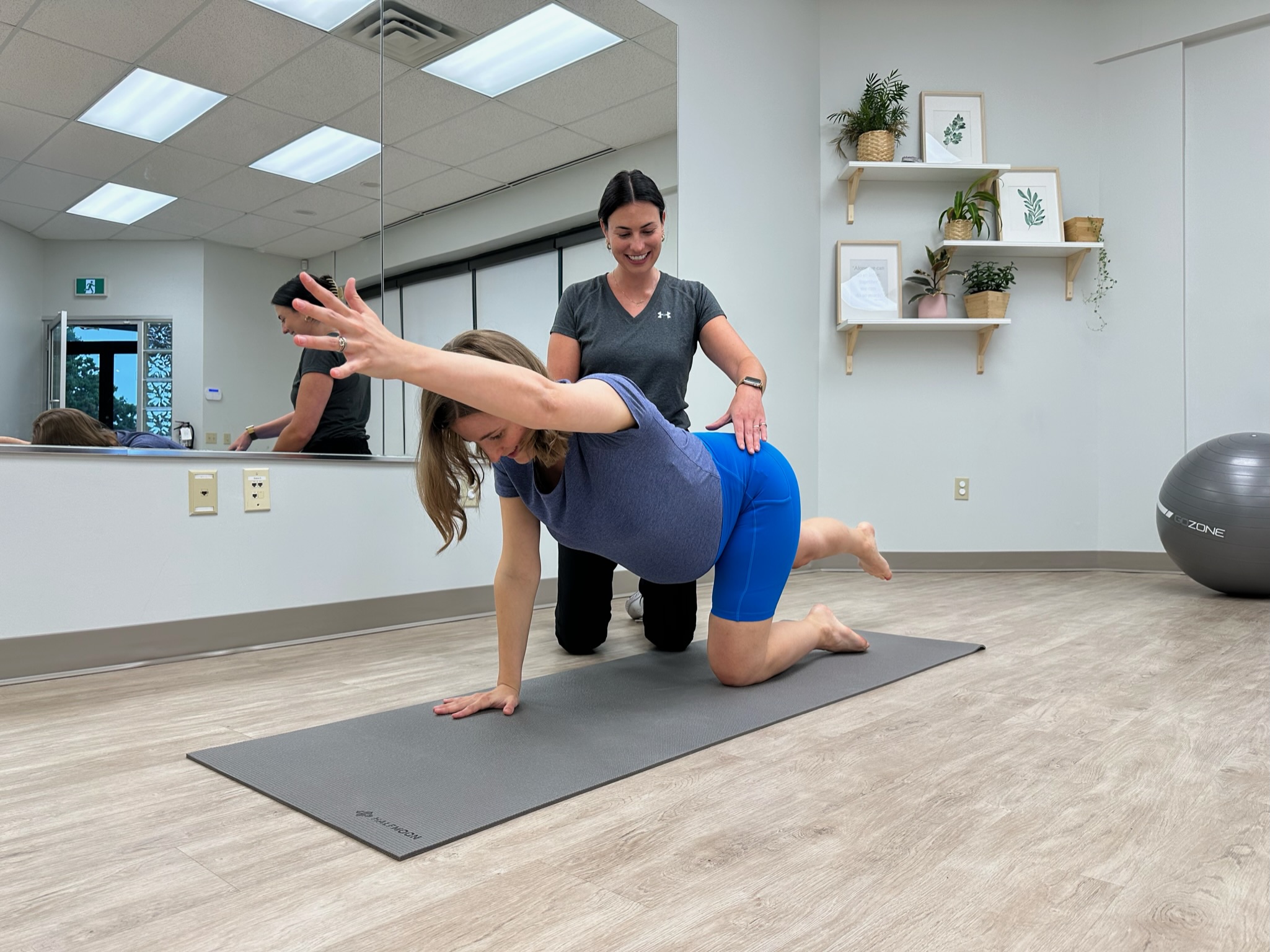
Core Strengthening in Pregnancy: Build Strength, Reduce Pain, and Prepare for Birth
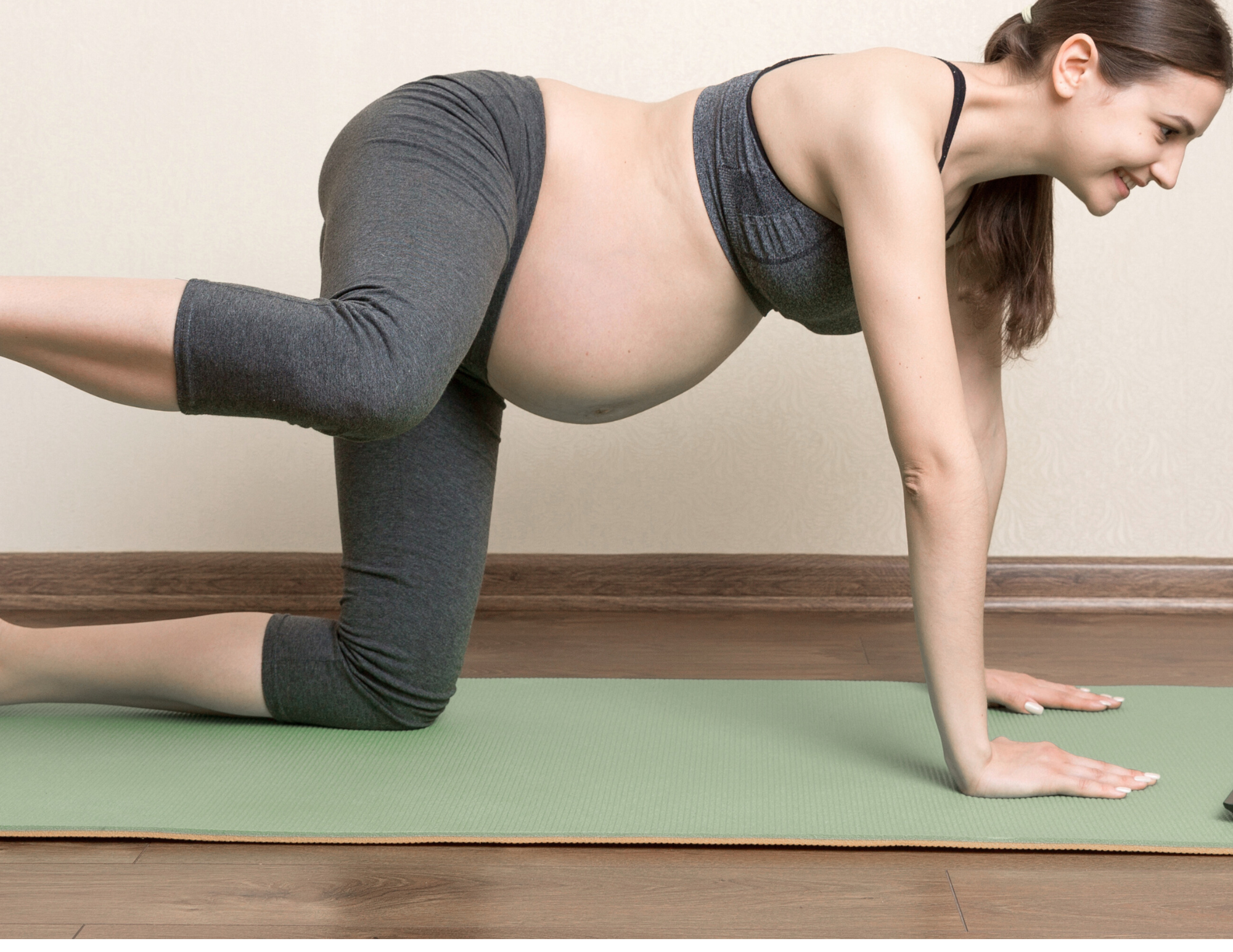
Prenatal Pelvic Floor Class in Ottawa: Preparing for Labour and Postpartum Recovery
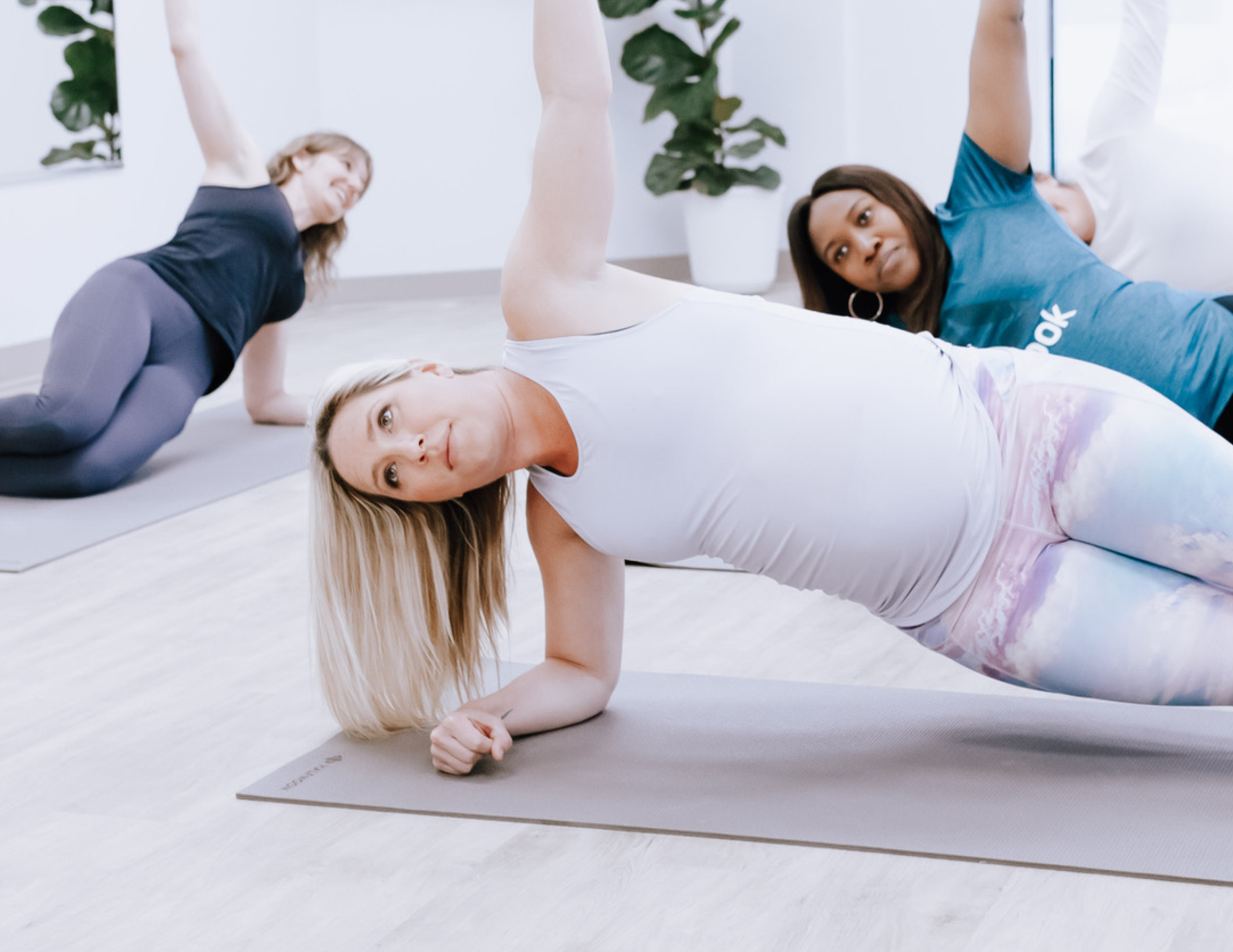
Pelvic Health During Pregnancy: How Pelvic Floor Physiotherapy Can Support Your Body

.png)

.png)

.jpeg)