A tender lump or painful area in the breast can be alarming, especially when you are worried that it may develop into mastitis. The good news is that many blocked ducts improve with gentle, anti-inflammatory care.
If you have booked a therapeutic ultrasound appointment but need to wait, there are several things you can do at home to reduce inflammation, manage discomfort, and avoid making the area worse.
What Is a Blocked Milk Duct?
Although commonly called a “blocked” or “plugged” duct, current research suggests that the problem is usually caused by inflammation and swelling that narrow the tiny milk ducts. It is not typically a solid piece of milk that needs to be squeezed or massaged out.
Symptoms may include:
- A tender, firm, or lumpy area in one breast
- Localized swelling or discomfort
- Mild redness
- Pain that may temporarily improve after feeding
- No fever or flu-like symptoms
Because inflammation is usually the underlying issue, gentle care is important.

What Can You Do While You Wait?
Continue feeding according to your baby’s usual needs
You can generally continue breastfeeding or chestfeeding. Feed your baby according to their normal rhythm and comfort rather than repeatedly feeding from the affected breast in an attempt to “empty” it.
If you pump, express approximately the amount your baby requires. Extra pumping can increase milk production, swelling, and inflammation. If you need relief between feeds, gently hand express only a small amount for comfort.
Apply cold
Place a cold pack wrapped in a cloth over the tender area for 10 to 20 minutes at a time. This can be repeated several times throughout the day, including after feeding or pumping.
Cold helps reduce swelling and discomfort. Although heat was traditionally recommended for blocked ducts, prolonged heat may increase blood flow and make swelling worse. If brief warmth feels comforting before a feed, use it sparingly and stop if your symptoms worsen.
Use very gentle touch
Deep massage, firm kneading, vibrating massagers, and electric toothbrushes can irritate breast tissue and increase swelling. Avoid trying to force a “plug” toward the nipple.
If touch feels comfortable, use very light, skin-level strokes toward the armpit, collarbone, or centre of the chest. The pressure should be similar to gently petting a cat, not massaging a muscle.
Reduce pressure on the breast
Check for anything that may be pressing on the tender area, such as:
- A tight or poorly fitting bra
- Underwire
- A baby-carrier strap
- A seatbelt
- Sleeping in the same position for long periods
A comfortable, properly fitting supportive bra may help.
Rest and care for yourself
Rest when you can, drink according to thirst, and ask for help with meals, childcare, or household responsibilities.
For pain relief, ask your pharmacist or healthcare provider whether an anti-inflammatory medication such as ibuprofen or a pain reliever such as acetaminophen is appropriate for you. Always follow the product directions and consider your health history, allergies, and other medications.

What Should You Avoid?
While you wait for your appointment, avoid:
- Deep or painful breast massage
- Trying to squeeze or push out a “plug”
- Excessive pumping or pumping to empty the breast
- Increasing pump suction
- Repeatedly feeding from the affected side beyond your baby’s usual needs
- Vibrating massagers or electric toothbrushes
- Opening a nipple bleb with a needle
These approaches can cause tissue trauma and potentially worsen inflammation.
How Can Therapeutic Ultrasound Help?
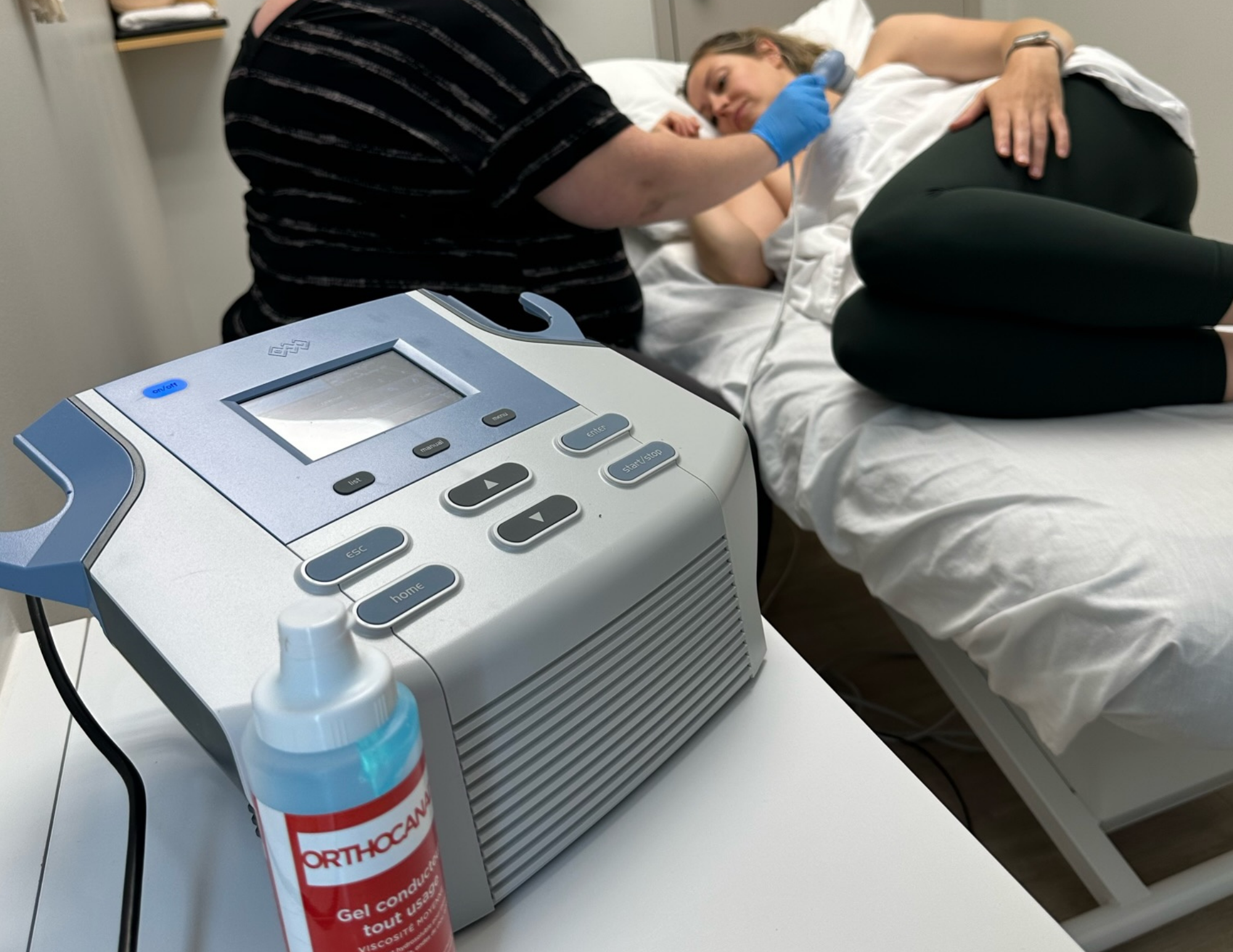
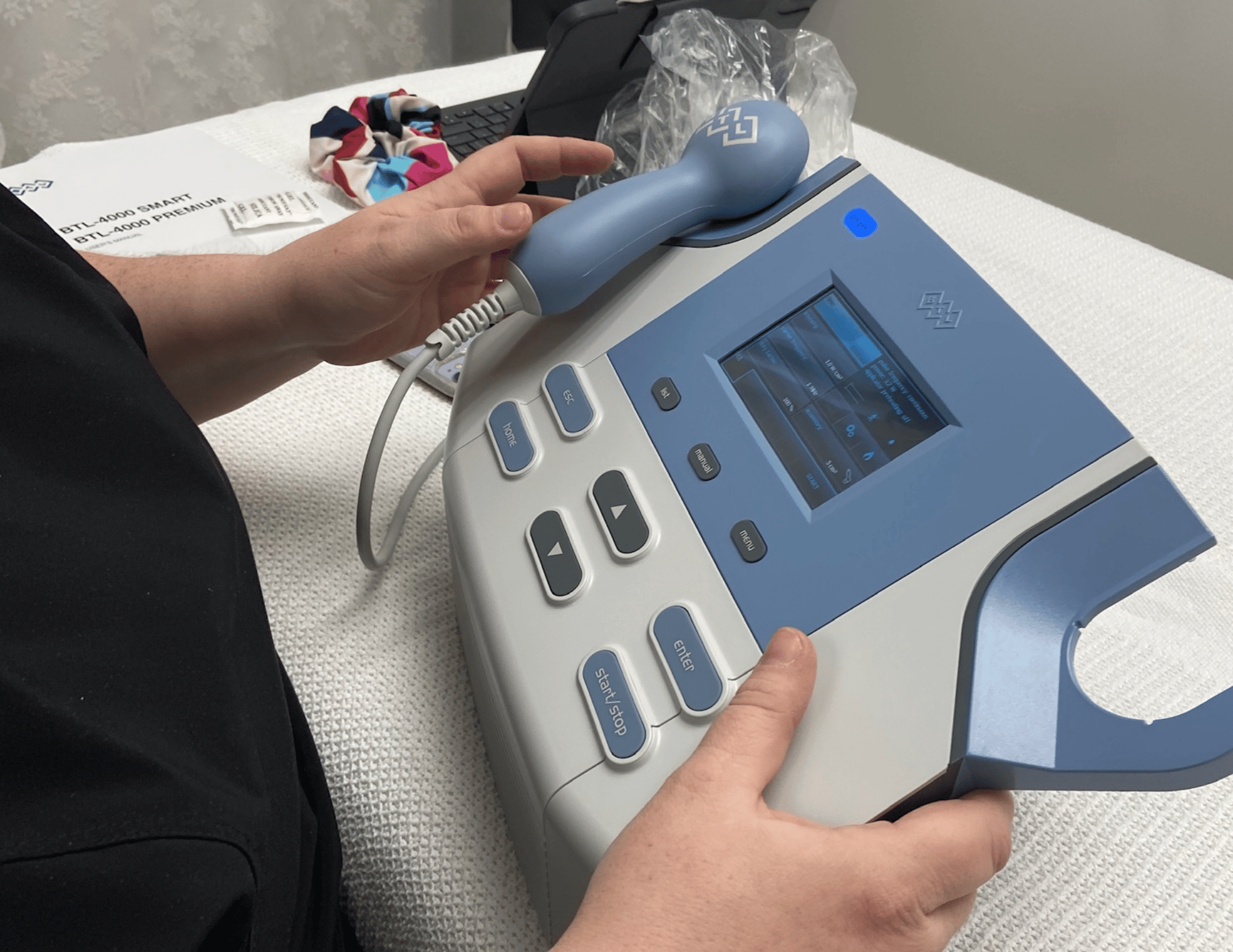
Therapeutic ultrasound is a treatment that uses sound-wave energy to help reduce inflammation and swelling in the breast. It is different from the diagnostic ultrasound imaging used to examine a breast lump or look for an abscess.
At Rooted Family Wellness Centre, therapeutic ultrasound for blocked milk ducts is provided by one of our naturopathic doctors. It may be helpful when a tender or firm area is not improving with initial home care. You can read more in this blog.
During your appointment, the naturopathic doctor will review your symptoms and determine whether therapeutic ultrasound is appropriate or whether additional medical or lactation support should be considered.
Therapeutic ultrasound does not replace medical assessment when symptoms may indicate bacterial mastitis, an abscess, or another breast condition.
When Should You Seek Medical Care?
Contact your physician, nurse practitioner, or midwife if:
- You develop a fever, chills, body aches, or flu-like symptoms
- Redness, swelling, or pain is spreading or becoming more intense
- You feel increasingly unwell
- Fever or other systemic symptoms persist for more than 24 hours
- The lump is not improving within 48 to 72 hours
- Symptoms are not improving despite home care or therapeutic ultrasound treatment
- You notice a growing, firm mass or an area that feels as though it contains fluid
- The same area repeatedly becomes inflamed
Seek urgent medical attention if you feel severely unwell, faint, confused, short of breath, or unable to keep fluids down.
Therapeutic Ultrasound for Blocked Milk Ducts in Kanata
Blocked duct symptoms can be painful and stressful, but aggressive massage and excessive milk removal can make inflammation worse. While you wait for your appointment, focus on cold, rest, normal feeding or pumping, and very gentle care.
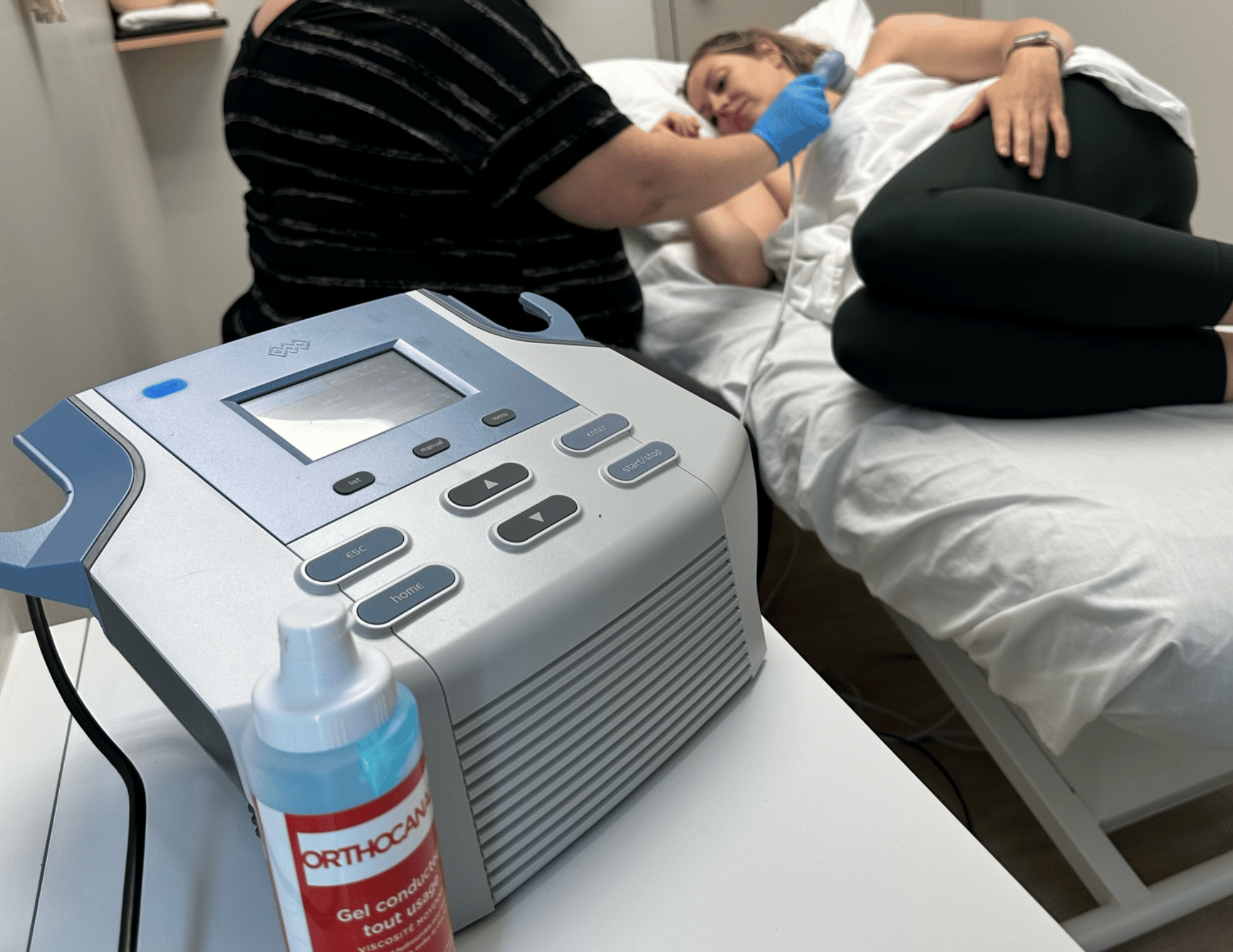
Rooted Family Wellness Centre offers therapeutic ultrasound for blocked milk ducts in Kanata, provided by one of our naturopathic doctors. Our team can help reduce inflammation and discomfort and guide you toward additional medical or lactation support when needed.
This article provides general information and is not a substitute for individualized medical care.