
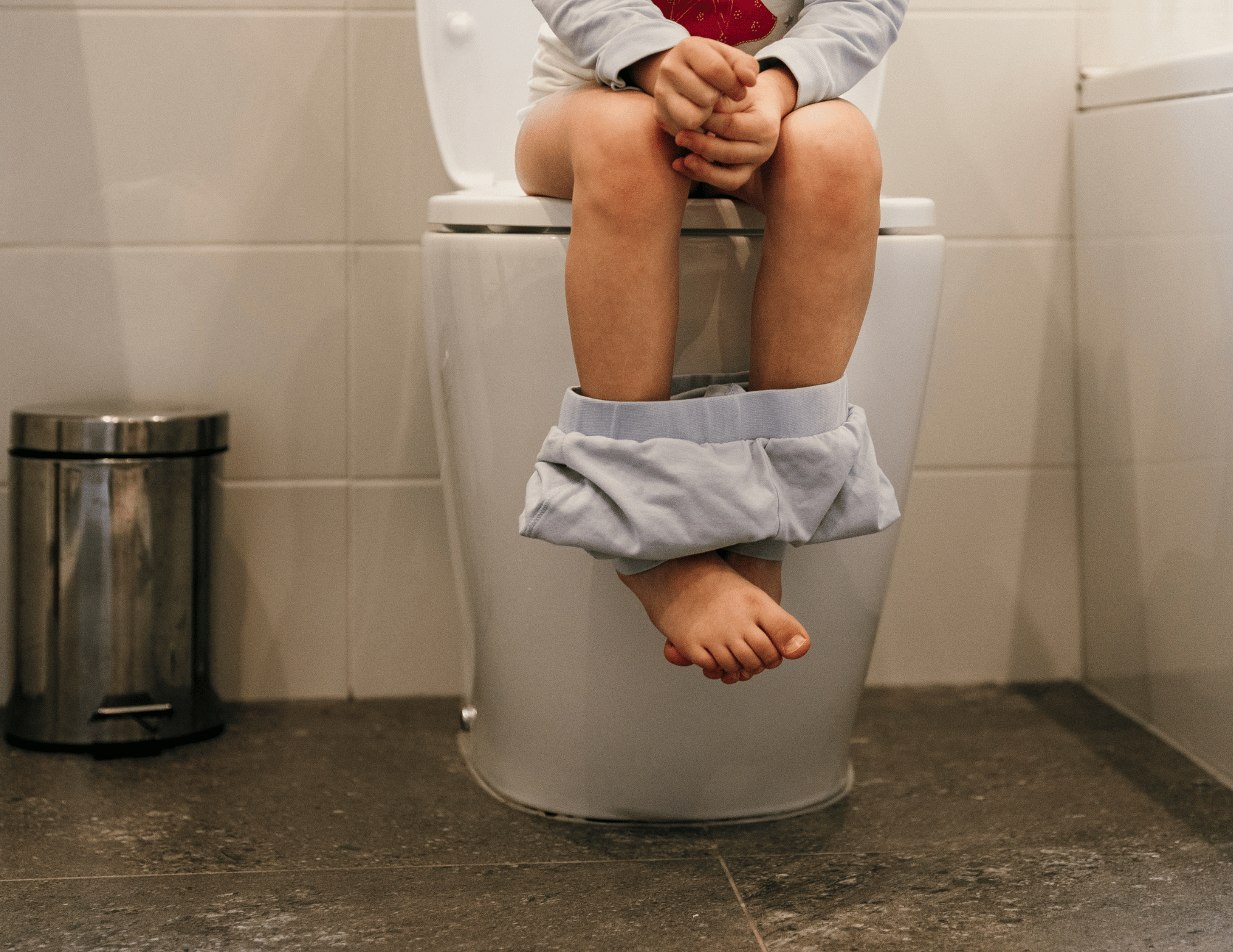
Learning to use the toilet is an important childhood milestone, but it is not always a straightforward process. Some children move through toilet learning relatively smoothly, while others benefit from more time, support, or different approaches to support their success.
Toileting is actually a complex activity. A child needs to notice signals from their body, communicate their needs, manage clothing, get into a comfortable position, follow a sequence of steps, and feel safe in the bathroom. Sensory sensitivities, motor skills, routines, communication, and previous experiences can all affect the process.
When toilet learning becomes stressful or seems to have stalled, a pediatric occupational therapist may be able to help identify barriers impacting comfort and progress and develop strategies that work for your child and family.
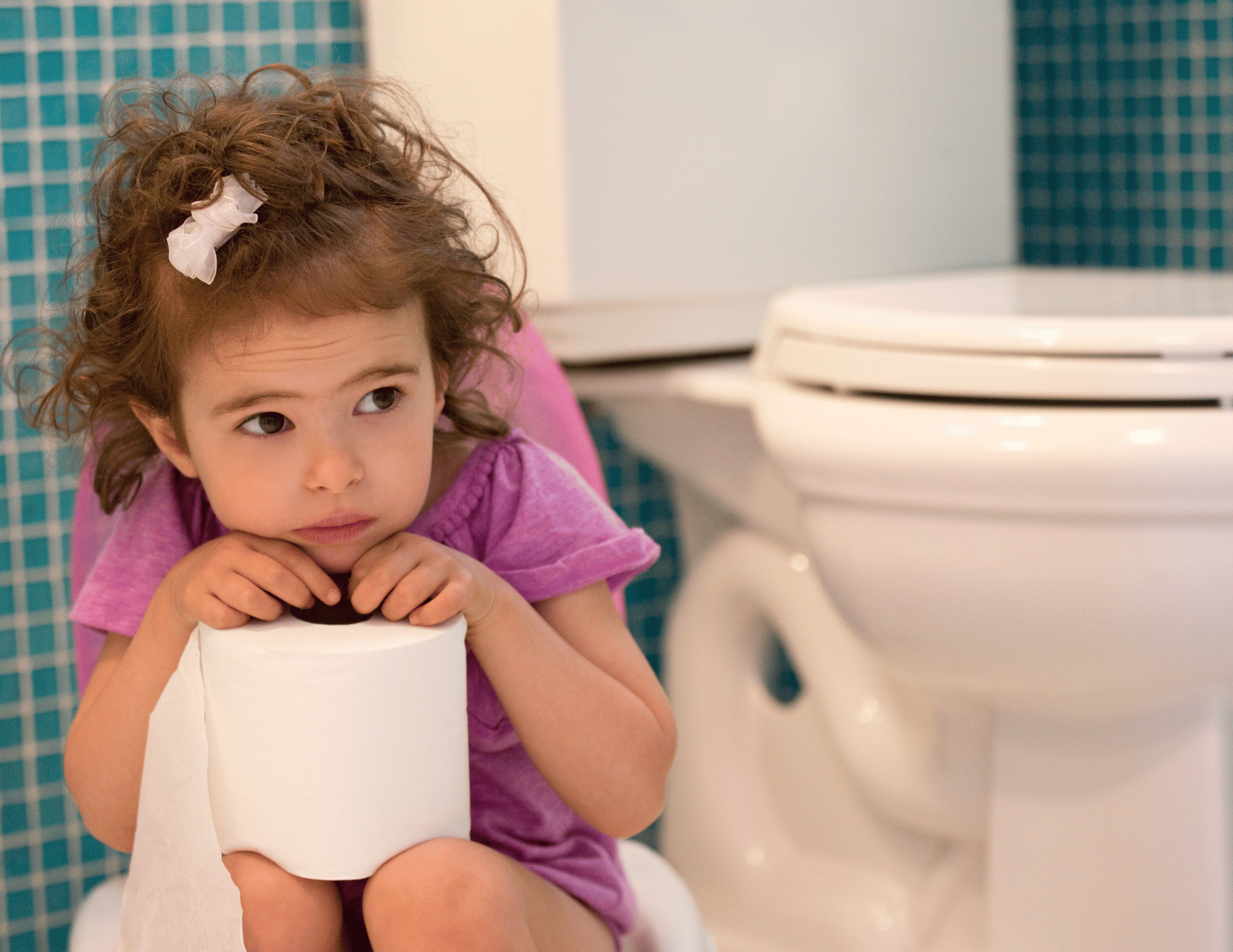
Why Can Toilet Learning Be Difficult?
Toilet learning involves several skills working together. A child may be physically ready in some areas but still need support in others.
Challenges may be related to:
- Recognizing the body’s signals for needing to pee or have a bowel movement
- Communicating the need to use the toilet
- Following the steps involved in a toileting routine
- Sitting comfortably and securely on the toilet
- Managing pants, underwear, buttons, or fasteners
- Balancing while getting on and off the toilet
- Managing the sounds, smells, lighting, or sensations of the bathroom
- Taking a break from play to use the toilet
- Adjusting to toilets/washrooms outside the home
- Feeling worried after a painful or upsetting toileting experience
Every child’s path to toilet learning looks different. If a child is having a harder time developing this skill, it does not necessarily mean that something is wrong or that they are choosing not to cooperate. Sometimes the demands of the activity do not yet match the child’s skills, comfort, or readiness and they would benefit from tailored support to match their unique sensory, motor, and developmental profiles.
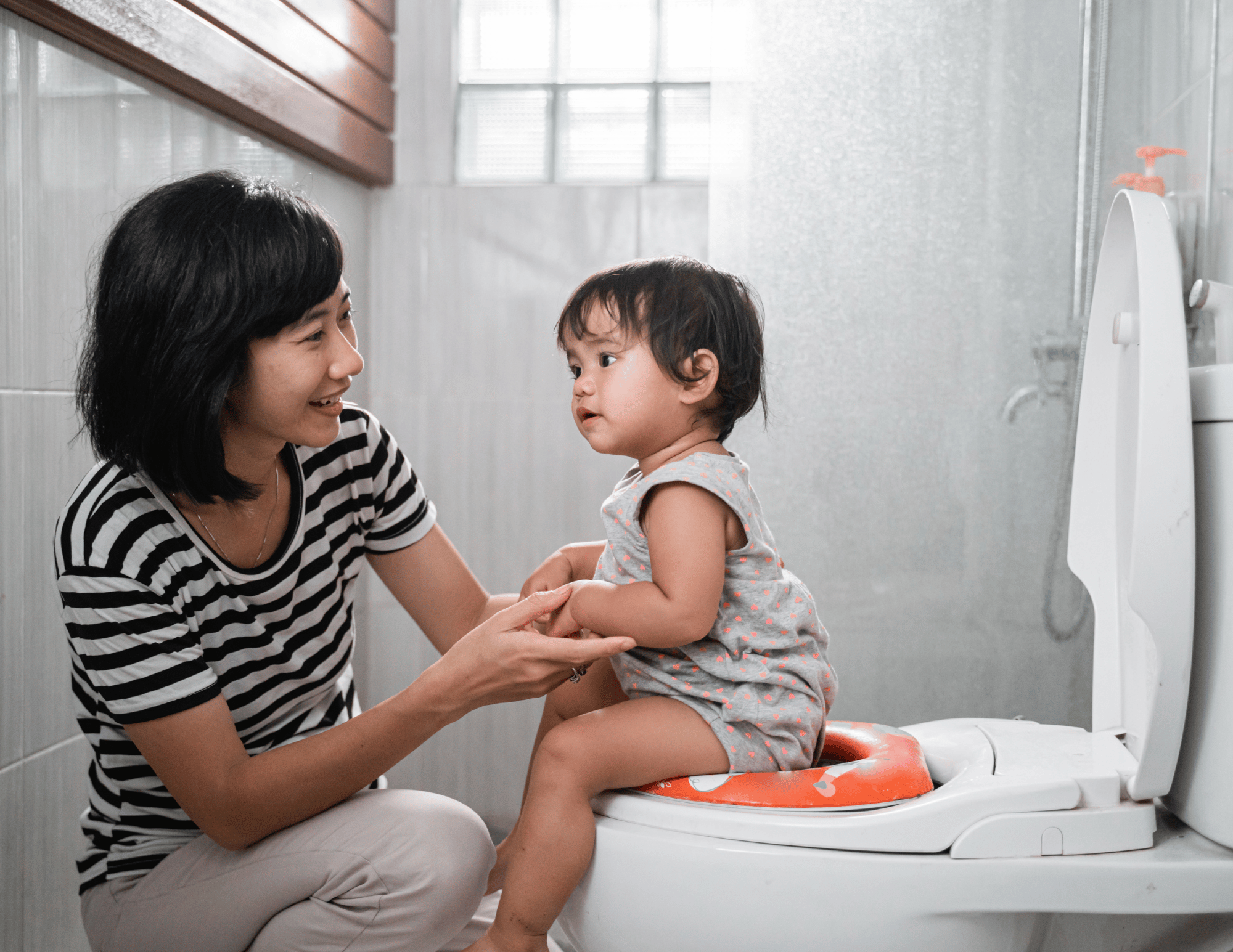
How Can Occupational Therapy Support Toilet Learning?
Toileting is an activity of daily living, which makes it an important area of occupational therapy. Pediatric occupational therapists look at the child, the toileting activity, and the environment to understand what may be impacting their participation.
An occupational therapist may explore several areas.
Sensory processing
Bathrooms can involve many sensory experiences, including a flushing toilet, echoing sounds, bright lights, strong smells, cold surfaces, and the feeling of sitting over an open space.
A child may also be continuing to develop interoception - the ability to notice internal body signals.These are the sensations that help us recognize when we are hungry, thirsty, tired, or need to use the bathroom.
An occupational therapist can help families better understand a child’s sensory responses and make the bathroom or toileting routine feel more manageable.
Motor skills and positioning
Using the toilet requires balance, coordination, postural control, and the ability to manage clothing. A toilet that feels too high or unstable may impact a child’s ability to relax and feel secure.
An occupational therapist may suggest adjustments such as a smaller toilet seat, a stable foot support, clothing that is easier to manage, or changes to the bathroom setup. The goal is to help the child feel safe, supported, and as independent as possible.
Sequencing and routines
A toileting routine includes many individual steps: noticing the need to go, getting to the bathroom, managing clothing, sitting on the toilet, wiping, dressing, flushing, and washing hands.
Some children benefit from breaking the process into smaller steps. An occupational therapist may recommend pictures, visual schedules, consistent language, or changes to the timing of the routine.
Communication and emotional regulation
Some children are still developing the words or communication tools to express that they need to use the toilet or to describe what feels uncomfortable. Others may become anxious, overwhelmed, or upset when toileting is discussed.
An occupational therapist can help parents develop a supportive, low-pressure approach based on their child’s communication style and emotional needs. This may include changing expectations, building familiarity gradually, or helping the child feel more in control of the process.
Participation in different environments
A child may comfortably use the toilet at home but avoid bathrooms at childcare, school, or other public places. Differences in the toilet, lighting, sounds, privacy, or routine can all affect participation.
Occupational therapy can help families identify these differences and develop strategies that can be used across environments.
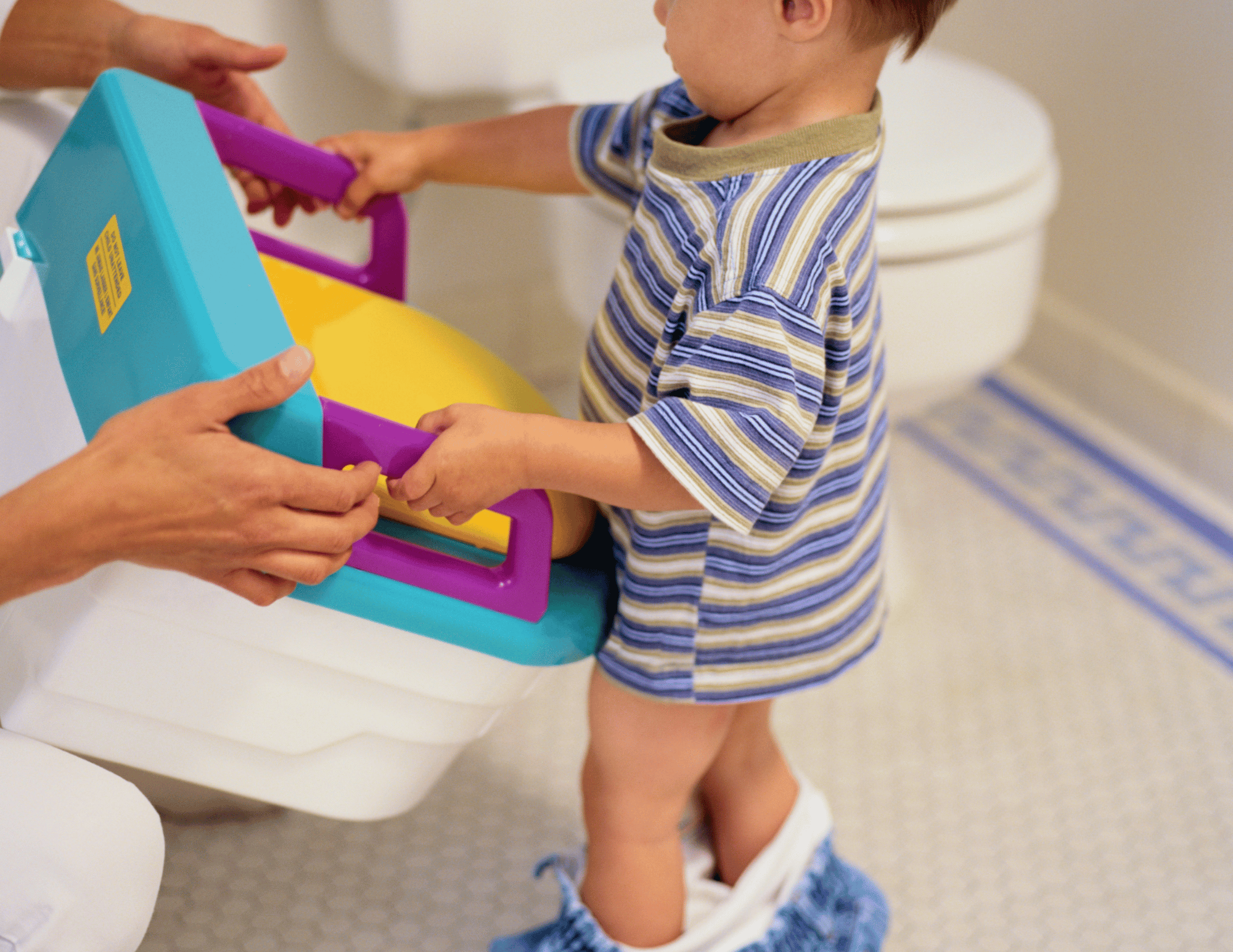
When Might It Be Helpful to Speak With an Occupational Therapist?
You may wish to consult a pediatric occupational therapist if your child:
- Becomes very distressed when approaching or sitting on the toilet
- Has strong reactions to bathroom sounds, smells, or sensations
- Has difficulty noticing or communicating the need to go
- Cannot sit comfortably or securely on the toilet
- Has trouble managing clothing or completing the toileting sequence
- Uses the toilet in one environment but not others
- Has difficulty pausing play or transitioning to the bathroom
- Has additional developmental, sensory, motor, or communication needs affecting toilet learning
- Is experiencing ongoing toilet learning challenges despite consistent, supportive efforts
Occupational therapists can also help parents determine whether their child appears ready to begin toilet learning and identify ways to introduce the process without unnecessary pressure.
Occupational Therapy or Pediatric Pelvic Floor Physiotherapy?
Occupational therapy and pediatric pelvic floor physiotherapy can both support children experiencing toileting challenges, but they approach the concern from different perspectives.
A pediatric occupational therapist may be most helpful when the primary challenges involve:
- Sensory processing
- Recognizing body signals
- Motor skills
- Managing clothing
- Following routines and sequences
- Communication
- Transitions or anxiety surrounding the bathroom
- Participation at home, childcare, or school
Pediatric pelvic floor physiotherapy focuses more specifically on how the bladder, bowel, pelvic floor, breathing, posture, and core systems are functioning together. It may be appropriate when a child is experiencing:
- Constipation or painful bowel movements
- Stool withholding
- Daytime wetting
- Bedwetting
- Urinary urgency or frequent bathroom visits
- Bowel accidents
- Difficulty fully emptying the bladder or bowel
- Pelvic discomfort
- Difficulty coordinating or relaxing the pelvic floor muscles
Some children may benefit from both services. When concerns overlap, collaboration between an occupational therapist, pediatric pelvic floor physiotherapist, and the child’s primary healthcare provider can help ensure that the child receives appropriate support.
At Rooted Family Wellness Centre, pediatric occupational therapy is available for children ages 0–6, while pediatric pelvic floor physiotherapy supports children and adolescents ages 4–17.
When Should You Speak With Your Child’s Healthcare Provider?
Toileting difficulties can sometimes be connected to constipation, pain, urinary concerns, or another medical issue. Speak with your child’s physician or nurse practitioner if your child experiences persistent constipation, painful bowel movements, blood in their stool or urine, recurring urinary tract infections, significant abdominal pain, difficulty urinating, or a sudden change in bladder or bowel habits.
Medical concerns should be assessed before assuming that a toileting challenge is behavioural or developmental.
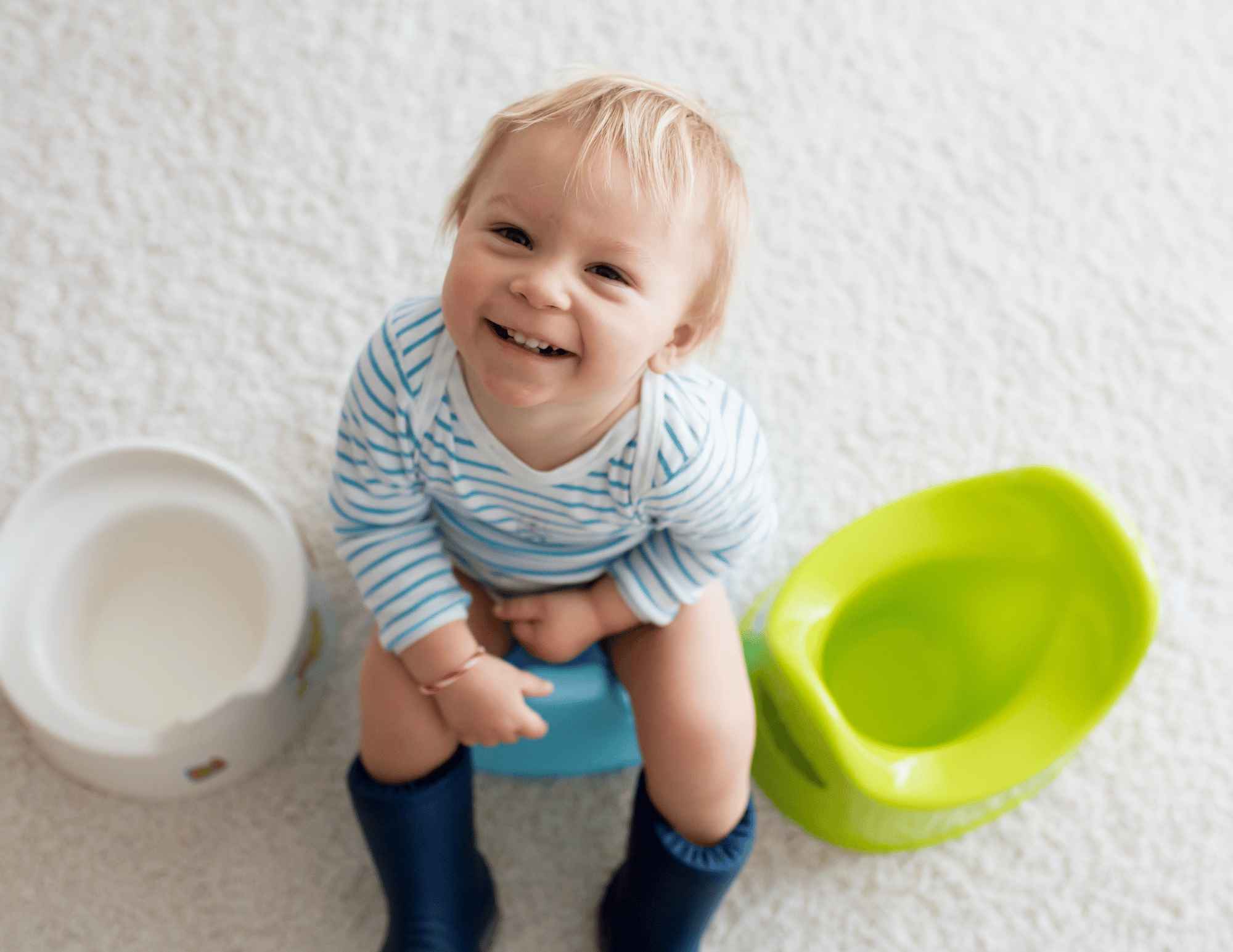
Supporting Toilet Learning Without Pressure
Toilet learning is not a test of a child’s intelligence, cooperation, or parenting. Children develop the necessary skills at different times, and pressure can make an already difficult experience more stressful.
It can be helpful to:
- Follow your child’s cues and readiness
- Keep language calm and neutral
- Avoid punishment or shame following accidents
- Make sure your child feels physically supported on the toilet
- Choose clothing that is easy to manage
- Build toileting into predictable routines
- Recognize effort and participation, not only successful toileting
- Seek support when the process is causing ongoing distress
The goal is not simply to achieve toilet independence as quickly as possible. It is to help your child build the skills, comfort, confidence, and body awareness needed to participate successfully.
Pediatric Toileting Support in Kanata and Ottawa
Rooted Family Wellness Centre offers pediatric occupational therapy and pediatric pelvic floor physiotherapy at our Kanata clinic, serving families throughout Ottawa and the surrounding area.
If you are unsure which service is the best place to begin, a complimentary consultation can help you discuss your child’s needs and determine an appropriate next step.
Book a Complimentary Consultation today!


