Pelvic Health During Pregnancy: How Pelvic Floor Physiotherapy Can Support Your Body
Pregnancy brings significant changes to the body, many of which affect the pelvis, core, and pelvic floor. While some discomforts are common during pregnancy, they are not always something you have to simply tolerate.
Pelvic health support during pregnancy can help manage symptoms, improve comfort, and prepare your body for birth and postpartum recovery.
At Rooted Family, we support pregnant individuals with compassionate, evidence-based pelvic health care tailored to each stage of pregnancy.
What Is the Pelvic Floor and Why Is It Important During Pregnancy?
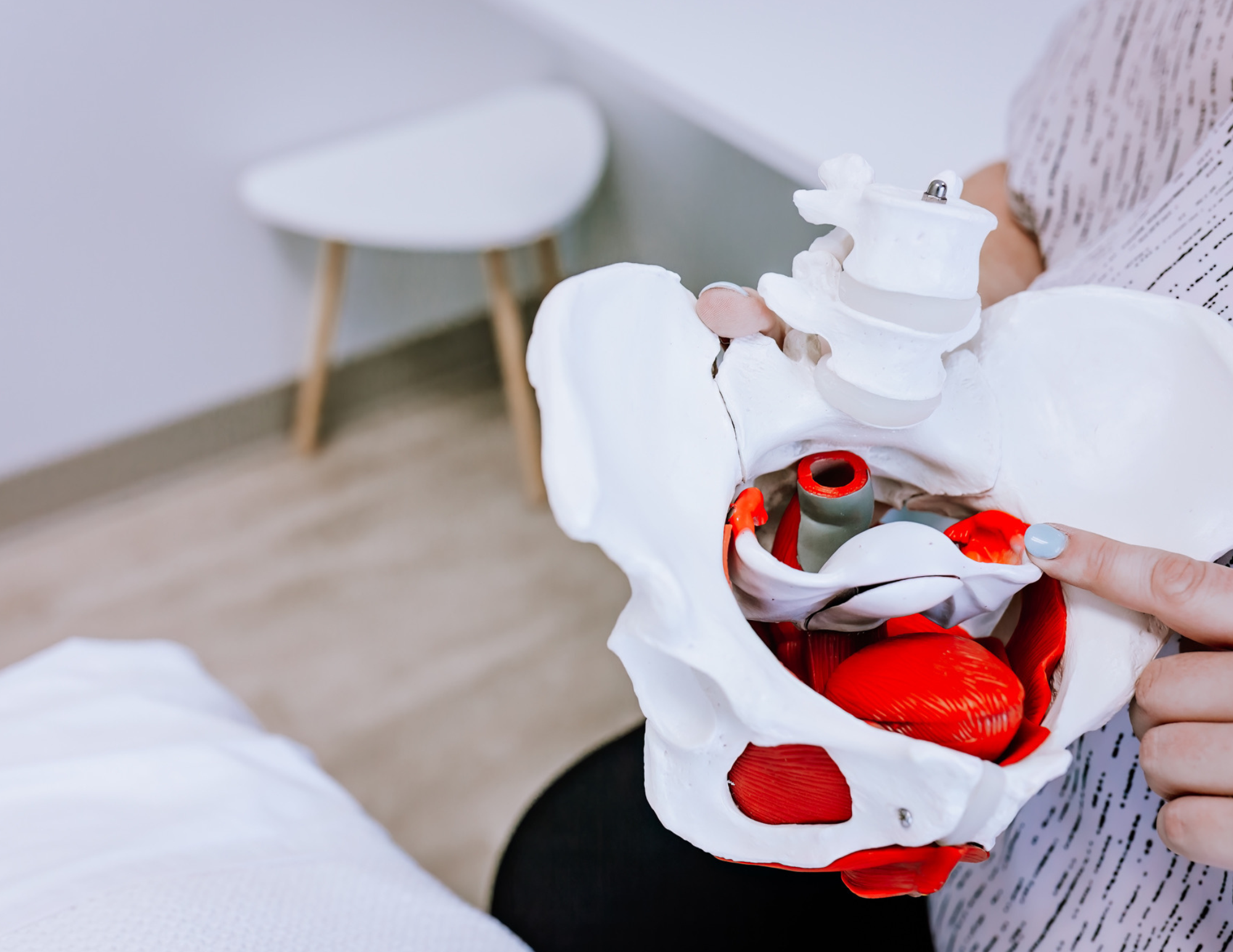
The pelvic floor is a group of muscles that support the bladder, bowel, and reproductive organs. During pregnancy, these muscles adapt to support a growing baby, changes in posture, and increased pressure through the pelvis.
Hormonal changes, shifts in alignment, and altered movement patterns can place added strain on the pelvic floor and surrounding muscles. Supporting pelvic health during pregnancy can help your body adapt more comfortably to these changes.
Common Pelvic Health Concerns During Pregnancy
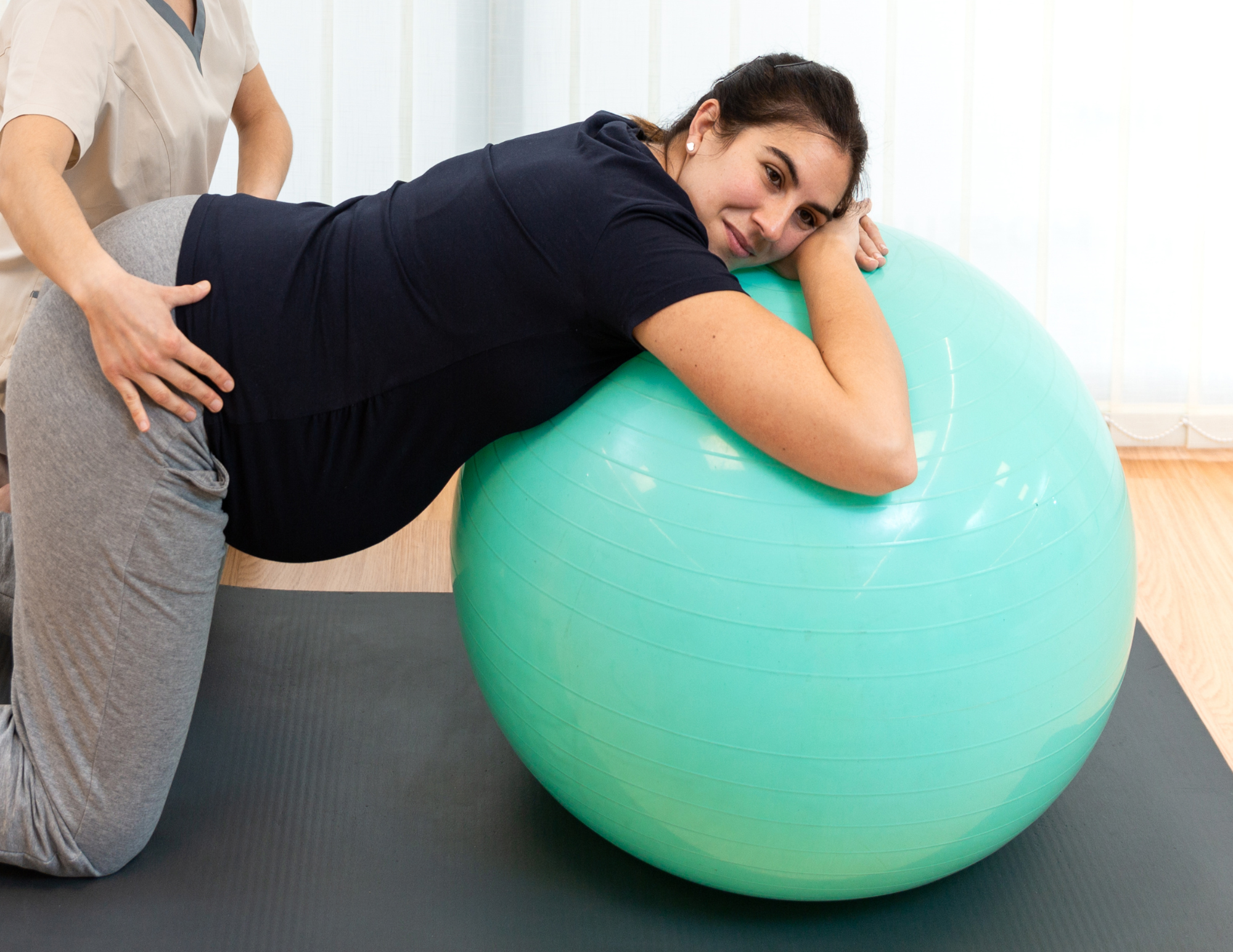
Many people experience pelvic or core-related symptoms during pregnancy. These may include:
- Pelvic girdle pain or pubic symphysis discomfort
- Low back or hip pain
- Urinary leakage or urgency
- Pelvic pressure or heaviness
- Tailbone pain
- Difficulty with movement, walking, or turning in bed
These symptoms are common, but they are not something you need to manage alone.
How Pelvic Floor Physiotherapy Can Help During Pregnancy
Pelvic floor physiotherapy during pregnancy focuses on supporting comfort, movement, and function as your body changes. A pelvic floor physiotherapist can help assess posture, muscle coordination, breathing patterns, and movement strategies.
Care during pregnancy may include:
- Education on posture and daily movement
- Breathing and pelvic floor coordination
- Gentle exercises to support strength and mobility
- Strategies to manage pelvic or back pain
- Preparation for birth and postpartum recovery
You can learn more about our pelvic floor physiotherapy services here.
Pelvic Health Is About More Than Strength
A common misconception is that pelvic health care during pregnancy focuses only on strengthening the pelvic floor. In reality, many people benefit from learning how to relax, coordinate, and move with their pelvic floor muscles.
Pelvic floor physiotherapy supports balance, not just strength, helping the pelvic floor respond appropriately during pregnancy, birth, and recovery.
A Collaborative Approach to Pregnancy Care
Pelvic health does not exist in isolation. Pregnancy-related discomfort often involves the hips, spine, ribs, nervous system, and posture as the body adapts to growing and nurturing new life.
Many pregnant individuals choose to combine pelvic floor physiotherapy with other supportive therapies to address discomfort from multiple angles and promote overall wellbeing. These may include:
Chiropractic care, to support spinal and pelvic alignment and reduce strain as posture changes throughout pregnancy.
Osteopathy, to address muscle tension, joint restrictions, and movement patterns that can contribute to pain or pressure.
Acupuncture, which may help manage pregnancy-related symptoms such as pelvic pain, low back discomfort, nausea, sleep challenges, and stress by supporting the nervous system and circulation.
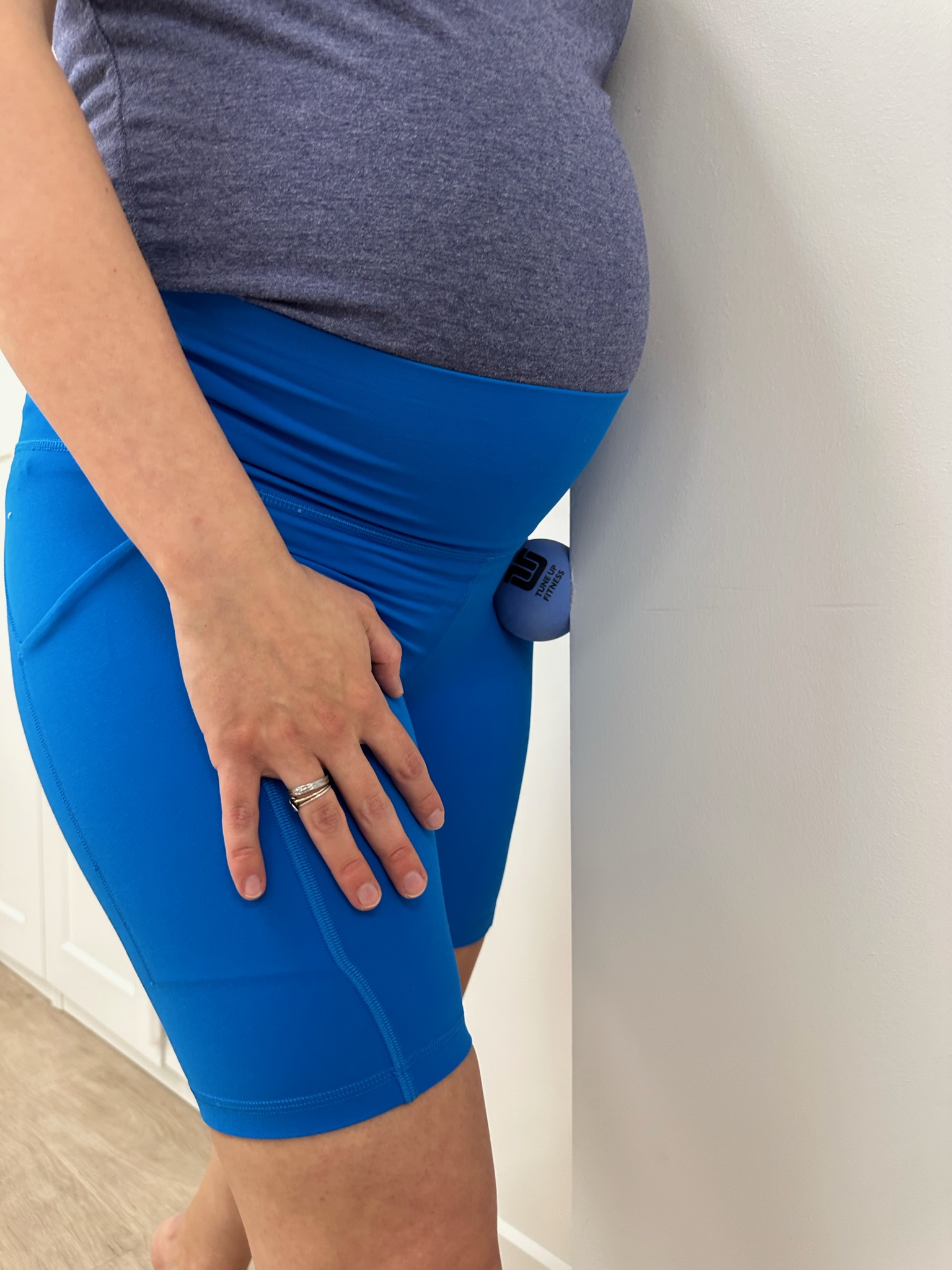
Massage therapy, particularly prenatal massage, to ease muscle tension, improve circulation, and support relaxation. Massage can be especially helpful for the hips, lower back, and rib cage, areas that often work harder during pregnancy.
When appropriate, these therapies can complement pelvic floor physiotherapy by addressing the broader physical and nervous system factors that influence comfort, mobility, and recovery. Collaborative care allows treatment to be tailored to the individual, recognizing that pregnancy is a whole-body experience.
Pregnancy Support Through Education and Classes
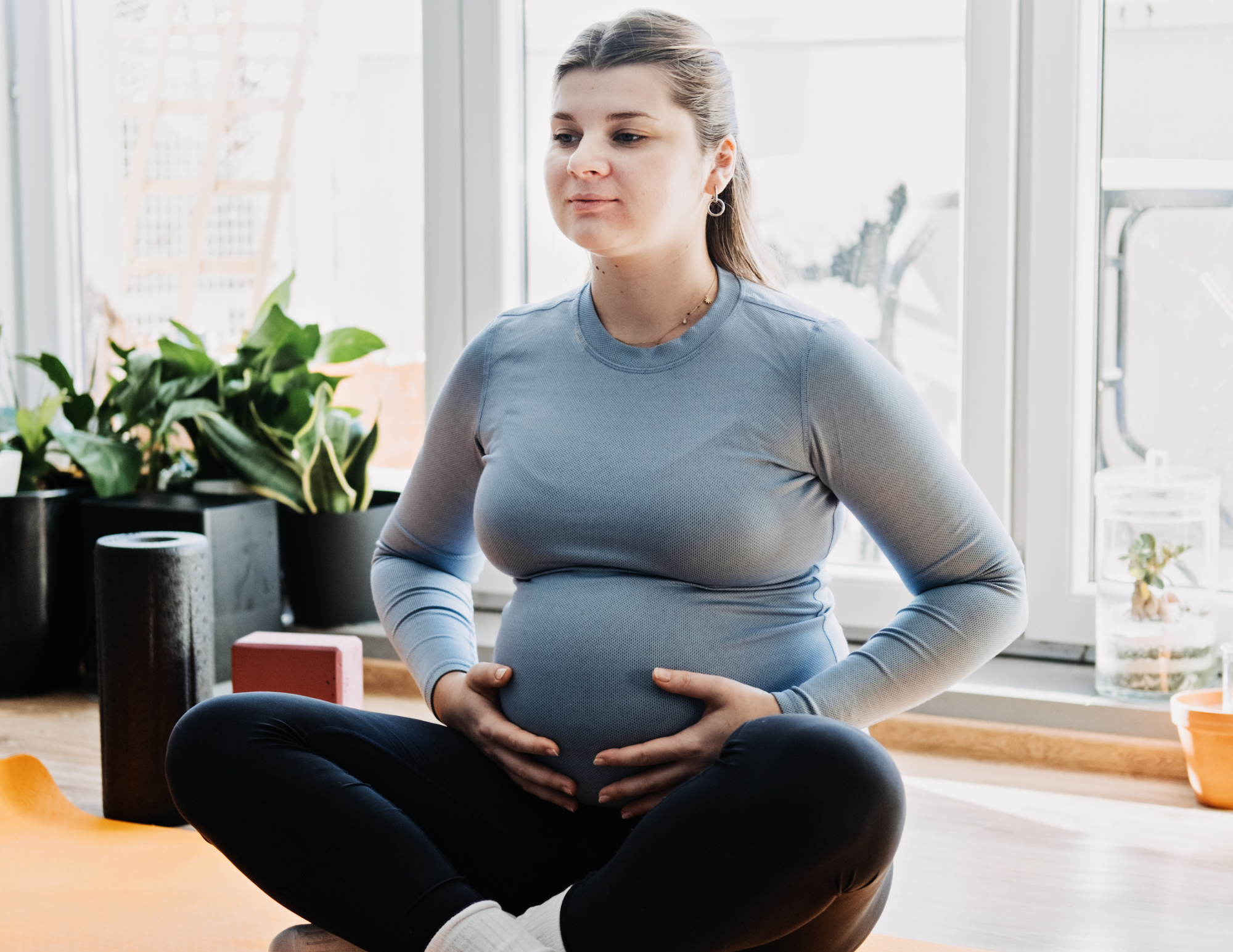
In addition to one-on-one care, some pregnant individuals choose to support their pelvic health through guided education and movement. At Rooted Family, we offer a class called Pelvic Floor and More, designed to help individuals better understand their changing bodies during pregnancy.
This class focuses on practical education around the pelvic floor, breathing, posture, and movement, helping participants feel more confident in how they move and support their bodies throughout pregnancy and into postpartum recovery. Classes may complement pelvic floor physiotherapy by reinforcing strategies for daily movement, comfort, and body awareness.
For those seeking a proactive and supportive approach, group classes can be a helpful way to learn, ask questions, and feel more prepared for the physical demands of pregnancy and birth.
Preparing the Pelvic Floor for Birth and Postpartum Recovery
Pelvic floor physiotherapy during pregnancy can also help prepare your body for birth and recovery afterward. Education around breathing, pressure management, and movement can support confidence and body awareness going into labour and the postpartum period.
Many families find it helpful to continue care postpartum as part of recovery.
Feeding, Posture, and Pelvic Health After Birth
While feeding comes after pregnancy, preparation matters. Feeding positions, posture, and core support all influence comfort after birth.
Some families choose to connect pelvic floor physiotherapy with lactation consultant support to prepare for the physical demands of feeding and early postpartum care.
Pregnancy Pelvic Health Support in Ottawa and Kanata
Rooted Family offers pelvic floor physiotherapy, chiropractic care, osteopathy, and lactation consultant services in our Kanata clinic, supporting individuals throughout Ottawa and surrounding areas.
Whether you are managing pregnancy discomfort, preparing for birth, or planning for postpartum recovery, pelvic health support is available.